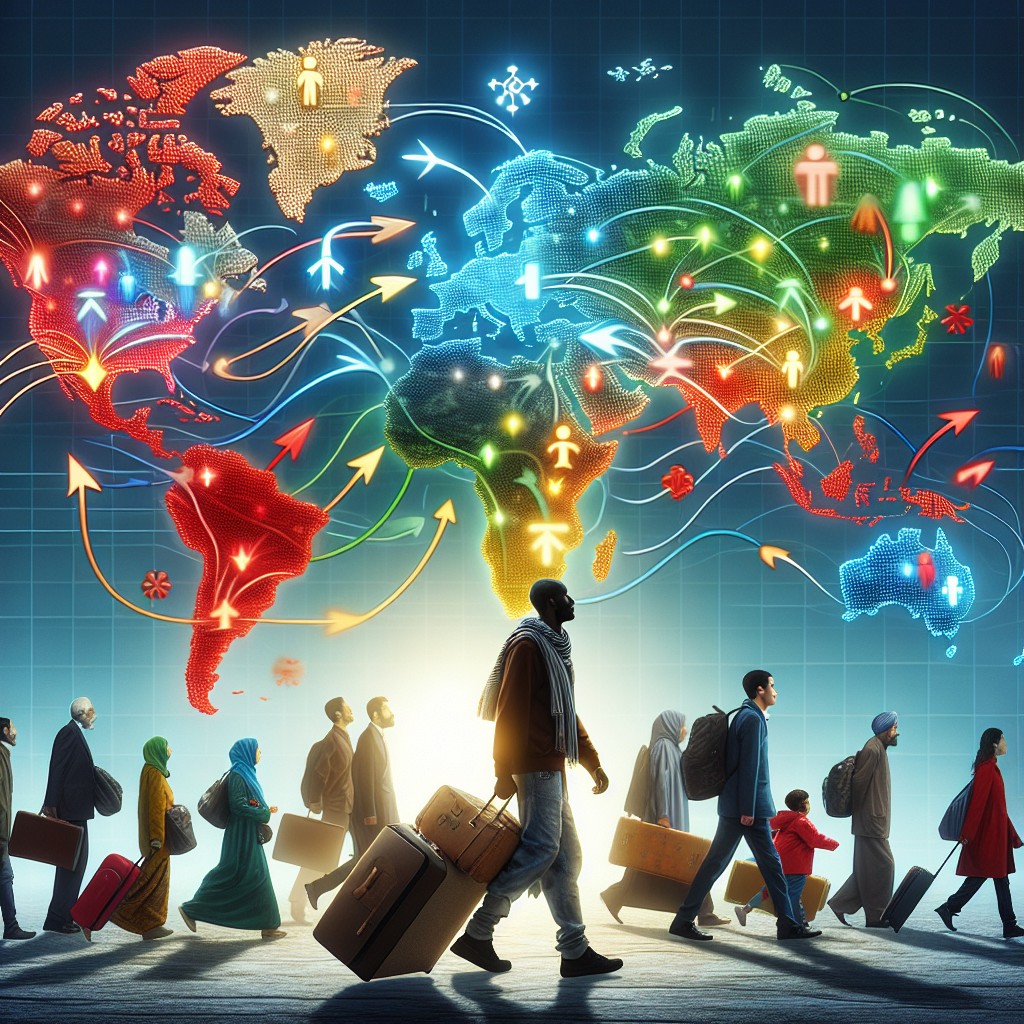
Migration has always been a complex phenomenon influenced by a mix of economic, social, political, and environmental factors. In recent years, understanding current migration trends has become crucial for policymakers and the public alike as global mobility patterns continue to evolve. This article delves into what drives population movement and examines the data to provide a clearer picture of modern migration.
Economic Factors Driving Migration
One of the primary catalysts for migration remains economic opportunity. Individuals often move from regions with limited job prospects and lower income levels to countries or cities promising better pay and improved living standards. Economic disparities across and within nations continue to shape patterns of migration. Data from international organizations indicate that labor migration constitutes a significant portion of global movement, especially in sectors such as agriculture, construction, and services. Remittances sent by migrants, in turn, play a critical role in the economies of their home countries, reinforcing the economic link between origin and destination regions.
Political Instability and Conflict as Push Factors
Political unrest, armed conflict, and persecution remain potent drivers of forced migration. Countries experiencing war, civil strife, or authoritarian repression often see significant population displacement. For instance, ongoing conflicts in parts of Africa, the Middle East, and Central America have led to surges in refugees and asylum seekers. International data reflect sharp increases in displacement numbers linked to these crises, highlighting how security concerns deeply influence migration trends. These movements are generally categorized separately from voluntary economic migration due to their immediate humanitarian implications.
Environmental Changes and Their Emerging Role in Migration
Environmental factors, including climate change and natural disasters, are becoming increasingly influential in shaping migration patterns. Rising sea levels, drought, and extreme weather events threaten livelihoods, particularly in vulnerable regions. While environmental migration is often intertwined with economic and social factors, there is growing recognition that environmental stressors are forcing some populations to move, either temporarily or permanently. Data collection in this domain is evolving, but current evidence points to a rising number of climate-induced displacements annually.
Demographic Dynamics and Migration Patterns
Demographic characteristics such as age, education level, and family status also influence migration trends. Younger individuals and those with higher education levels are generally more likely to migrate, seeking better career opportunities and quality of life. Conversely, aging populations in many developed countries have led to increased demand for migrant workers to fill labor shortages. Data reflect that migration often occurs along established networks of family, culture, and language, which help migrants integrate into new communities. This demographic aspect provides insight into why certain migration corridors are more active than others.
Analyzing Data to Understand Migration Trends
Reliable and comprehensive data are essential to accurately capture current migration trends. International bodies like the United Nations and the International Organization for Migration compile extensive statistics to track the scale, direction, and characteristics of migration flows. These datasets reveal that migration is neither unidirectional nor constant but fluctuates in response to global events and policies. Moreover, data underscore the importance of distinguishing between different types of migration, including labor, forced, irregular, and family reunification. By examining verified data, stakeholders can craft informed responses to migration challenges.
Frequently Asked Questions about migration trends
What are the main factors influencing current migration trends?
The main factors influencing current migration trends include economic opportunities, political instability, environmental changes, and demographic dynamics, all of which impact individuals’ decisions to move across borders.
How does economic disparity affect migration trends?
Economic disparity drives migration trends by motivating individuals from lower-income regions to seek work and better living conditions in wealthier areas, as reflected in global labor migration data.
What role do conflicts play in shaping migration trends?
Conflicts and political instability lead to forced migration, increasing numbers of refugees and asylum seekers and significantly affecting migration trends worldwide.
Are environmental factors becoming more significant in international migration trends?
Yes, environmental factors such as climate change and natural disasters are increasingly recognized as important contributors to migration trends, causing displacement in vulnerable regions.
Why is it important to analyze data to understand migration trends?
Analyzing reliable data helps differentiate types of migration, track changes over time, and supports policymakers in developing effective, evidence-based migration strategies. Accurate data ensure a comprehensive understanding of migration trends.
Overall, the evolving landscape of migration trends highlights the necessity for ongoing data analysis to inform international cooperation and policy development. As the factors driving migration become increasingly intertwined, clear and up-to-date information will remain vital in responding to global mobility challenges.