The ongoing discourse surrounding economic stability and inflation has heightened interest in comprehensive price forecasts for the forthcoming years. As we approach 2026, analysts from various sectors are offering insights into the potential market trends shaped by inflationary pressures, consumer behavior, and global economic dynamics. This article aims to provide an expert analysis based on current data and trends.
Understanding Inflation and Its Impact
Inflation, the rate at which the general level of prices for goods and services rises, is a critical factor influencing the price forecast for any given year. According to recent reports from the International Monetary Fund, inflation rates have seen considerable volatility influenced by supply chain disruptions and changing consumer demands. As the global economy aims for recovery post-pandemic, understanding how inflation functions can help businesses and consumers make informed decisions in the years leading up to 2026.
Market Trends Influencing Price Forecasts
Looking ahead to 2026, several market trends are likely to play a pivotal role in shaping the price forecast. The shift towards digitalization and e-commerce has dramatically changed how consumers shop, impacting pricing strategies. Moreover, sustainability has become a focal point for both consumers and businesses, putting pressure on companies to balance profitability with ecological responsibility. Analysts suggest that these trends may lead to varying inflation rates across different sectors, as demand for sustainable products often increases prices in the short term.
Expert Insights and Predictions
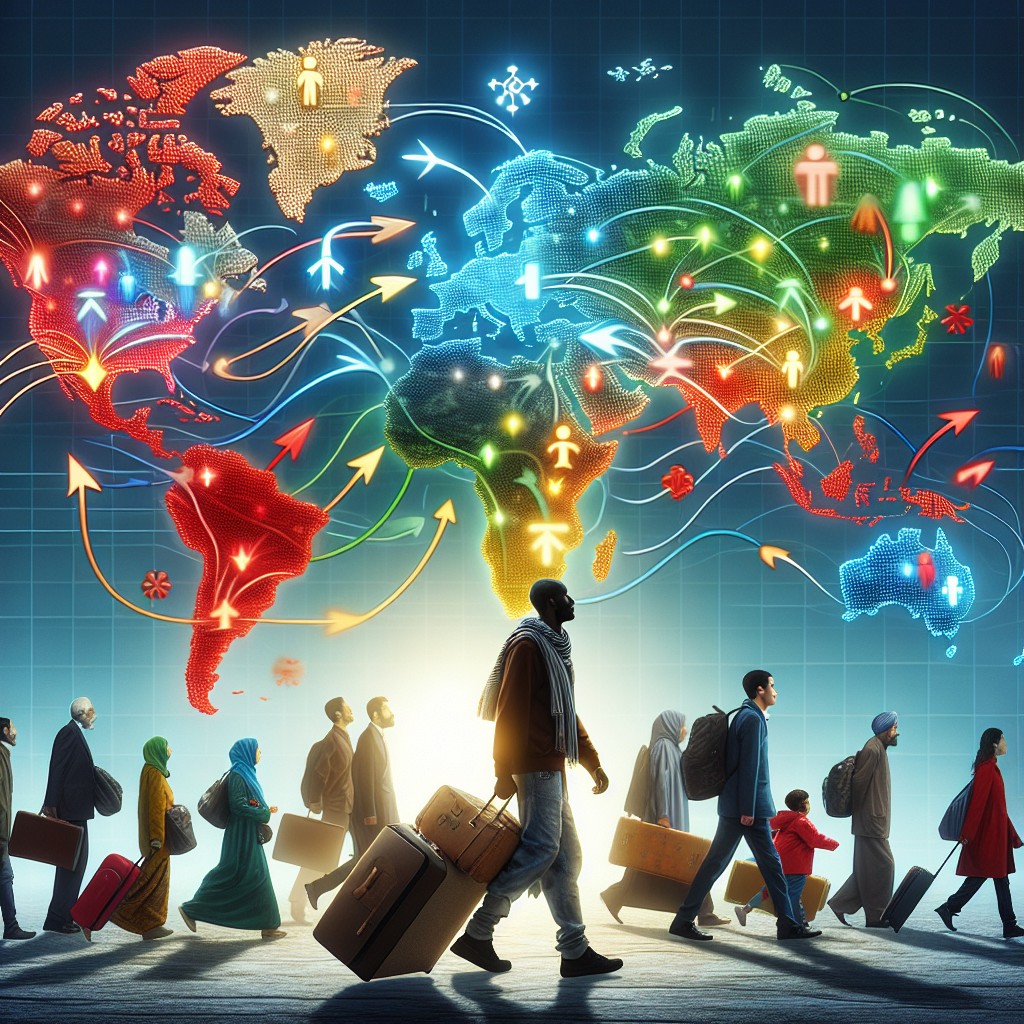
Economists predict that inflation will stabilize gradually as supply chain issues are resolved and production rates normalize. However, the price forecast for 2026 must account for geopolitical factors such as trade policies and international relations that can influence material costs and labor availability. Experts agree that while inflation is expected to ease, there remains a considerable level of uncertainty regarding external factors that could alter the economic landscape. Analysts encourage businesses and consumers alike to remain vigilant and adaptable to the changing economic signals leading up to 2026.
In conclusion, the price forecast for 2026 is subject to numerous variables, including inflation trends, market shifts, and external economic factors. Monitoring these developments will be essential for stakeholders seeking to navigate the complexities of tomorrow’s market.
Frequently Asked Questions about Price Forecast
What is meant by price forecast?
A price forecast refers to an estimation of future prices across various markets, taking into account economic indicators, inflation rates, and market trends.
How important is inflation in determining price forecasts?
Inflation plays a critical role in price forecasts as it directly affects purchasing power and can influence the cost of materials and labor, thereby impacting overall pricing strategies.
Can consumers rely on price forecasts for budgeting?
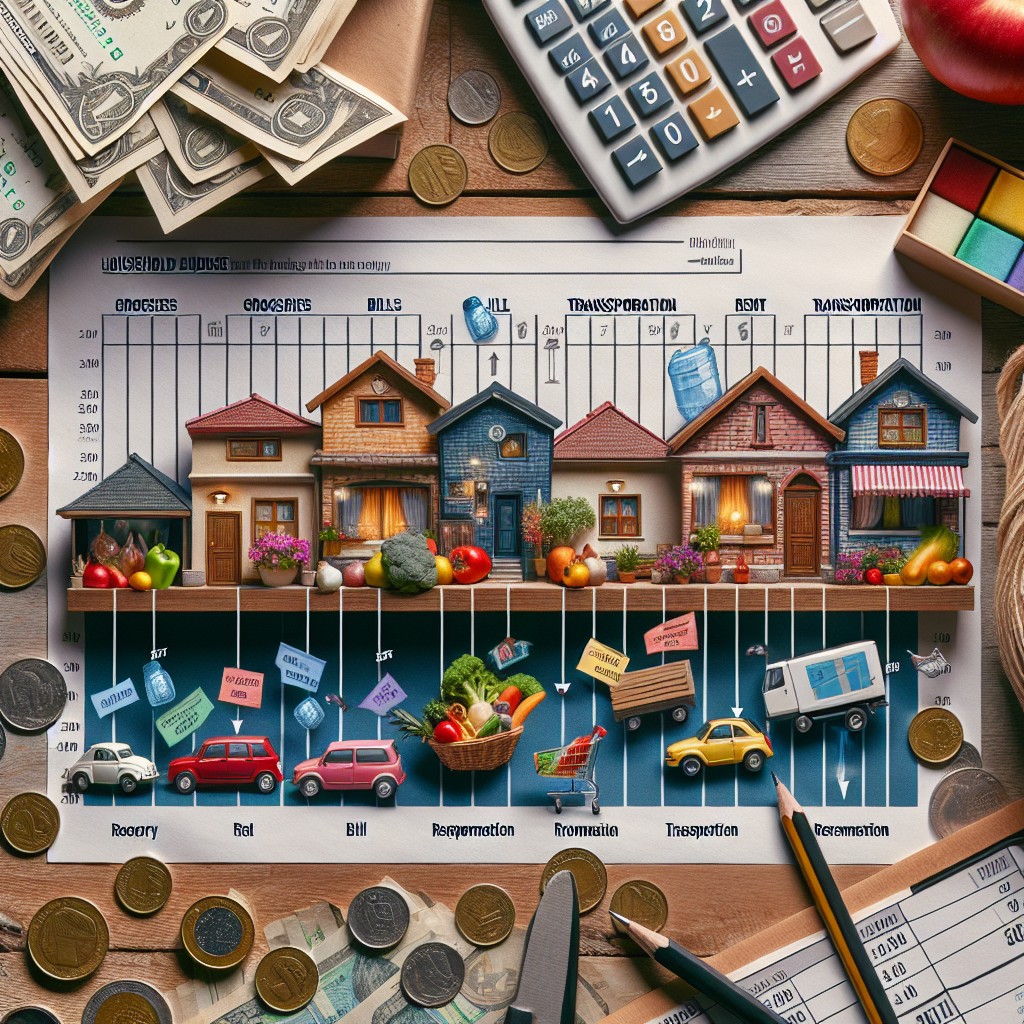
Yes, consumers can use price forecasts to assist in budgeting, as these projections provide insight into potential future spending based on expected inflation and market trends.
Where can I find reliable price forecasts?
Reliable price forecasts can typically be found through financial institutions, government economic reports, and international bodies like the World Bank, providing expert analysis on future economic conditions.
How often do price forecasts change?
Price forecasts can change frequently based on new economic data, shifts in market conditions, and other influencing factors, making it important to stay updated for the most accurate predictions.