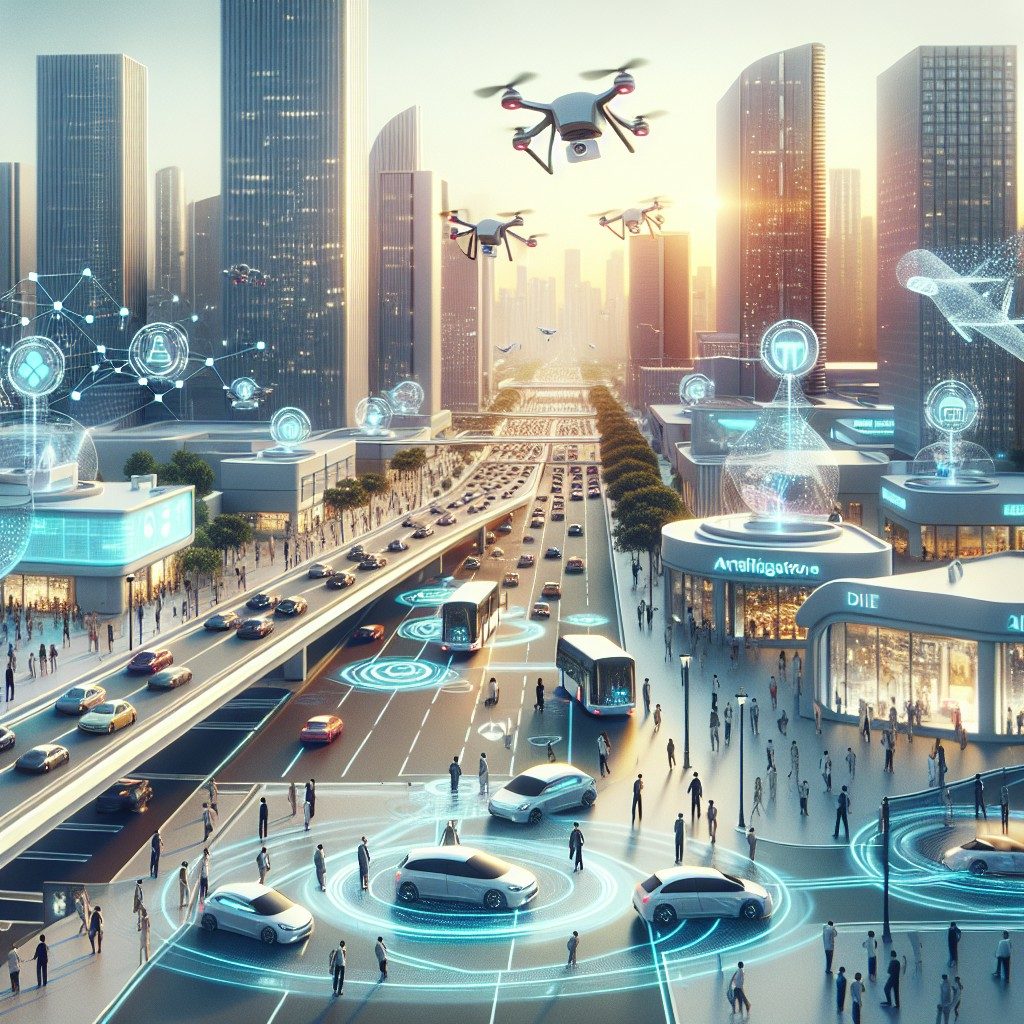
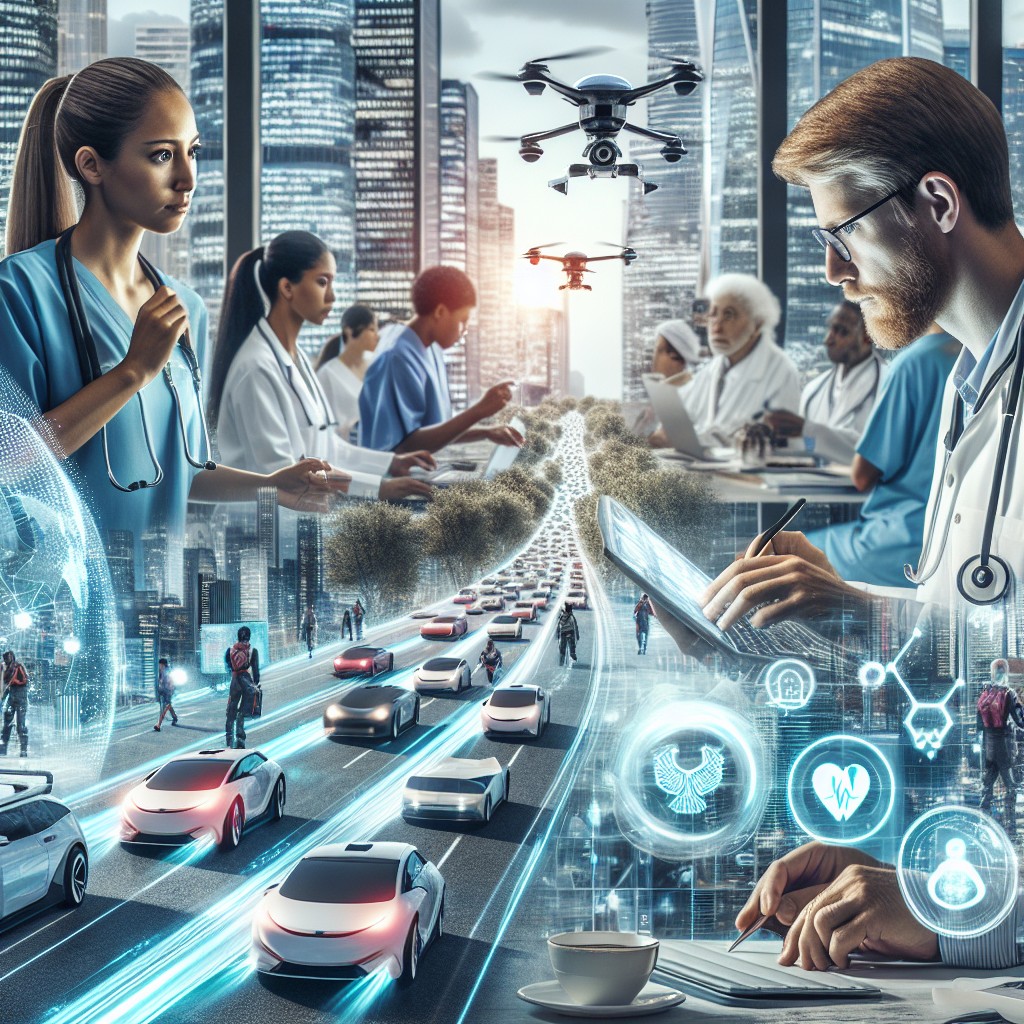
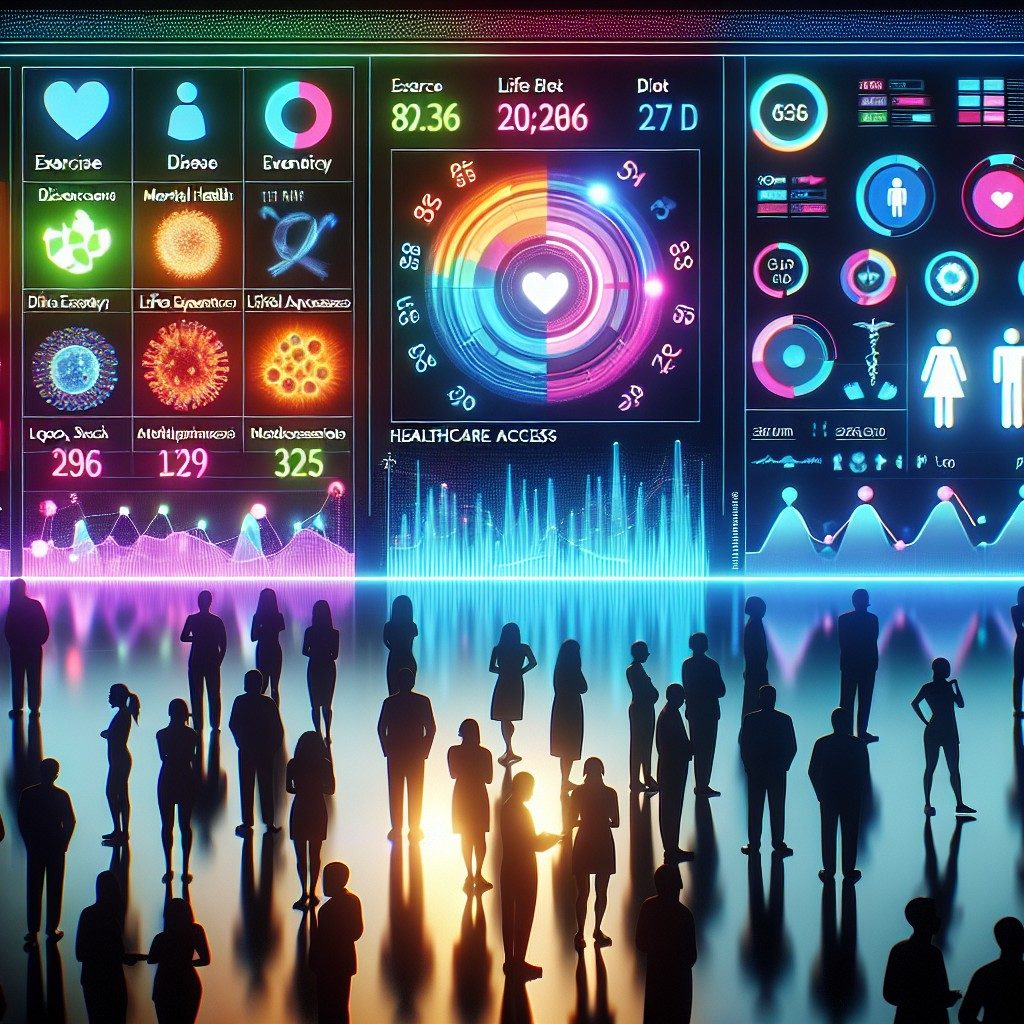
As we advance towards 2026, the influence of artificial intelligence (AI) in everyday life is poised to increase dramatically. Continued innovations in AI technology promise to shape various sectors, from healthcare to entertainment, redefining how we interact with the world around us. This report explores pivotal AI Trends that are expected to become integral components of daily routines within the next few years.
AI in Healthcare: Enhanced Patient Care Through Personalization
The healthcare industry is increasingly adopting AI to enhance patient care and streamline operations. By 2026, AI-driven diagnostics are expected to become commonplace, offering accurate insights based on vast datasets and machine learning algorithms. AI will enable personalized treatment plans tailored to individual health profiles, significantly improving patient outcomes. In addition, AI technologies will aid healthcare professionals by predicting disease outbreaks and facilitating telemedicine, making healthcare accessible and efficient for patients everywhere.
Smart Homes: The Rise of Intelligent Assistants
The concept of the smart home is evolving with AI integration, transforming how we manage our living spaces. By 2026, intelligent assistants are projected to be seamlessly integrated into household systems, managing everything from energy consumption to security. These AI systems will learn from user behaviors and preferences, automating routine tasks and enhancing comfort. Furthermore, AI-driven technologies will facilitate communication between devices, fostering a more energy-efficient and responsive home environment that anticipates occupants’ needs.
AI in Education: Customized Learning Experiences
Education is set to be revolutionized by AI trends as they facilitate personalized learning paths for students. By leveraging AI tools, educators can analyze student performance data to tailor curriculum and instructional methods to meet diverse learning needs. In classrooms and online learning platforms, AI applications will provide real-time feedback to both students and teachers, encouraging a more engaging and effective educational experience. As educational technology becomes more sophisticated, students will benefit from highly individualized guidance, thus improving overall educational outcomes.
Conclusion: The Ongoing Evolution of Daily Life
The evolution of AI is undeniable and will continue to transform our daily interactions and experiences. By 2026, the predicted AI Trends discussed in this report are set to enhance various aspects of life, fostering improved healthcare, smarter homes, and personalized education. As we navigate these changes, understanding the implications of these technologies will be crucial for individuals, businesses, and policymakers alike.
Frequently Asked Questions about AI Trends
What are the key AI trends expected by 2026?
The key AI trends expected by 2026 include advancements in personalized healthcare, the rise of intelligent household assistants, and customized education methodologies designed to improve learning outcomes.
How will AI trends impact the healthcare industry?
AI trends are poised to transform the healthcare industry by enabling personalized patient care, improving diagnostic accuracy, and facilitating telehealth services that increase access to medical resources.
In what ways will smart homes evolve by 2026?
By 2026, smart homes will become more sophisticated with AI integration, allowing for seamless automation of daily tasks, enhanced security systems, and energy-efficient management tailored to user lifestyles.
How might education change with new AI trends?
New AI trends in education are expected to foster personalized learning experiences, where students receive real-time feedback and customized curricula based on their individual needs and performance.
Why is it important to understand AI trends?
Understanding AI trends is essential to navigate the future technological landscape, enabling individuals and organizations to adapt effectively and leverage these innovations for improved outcomes across various sectors.