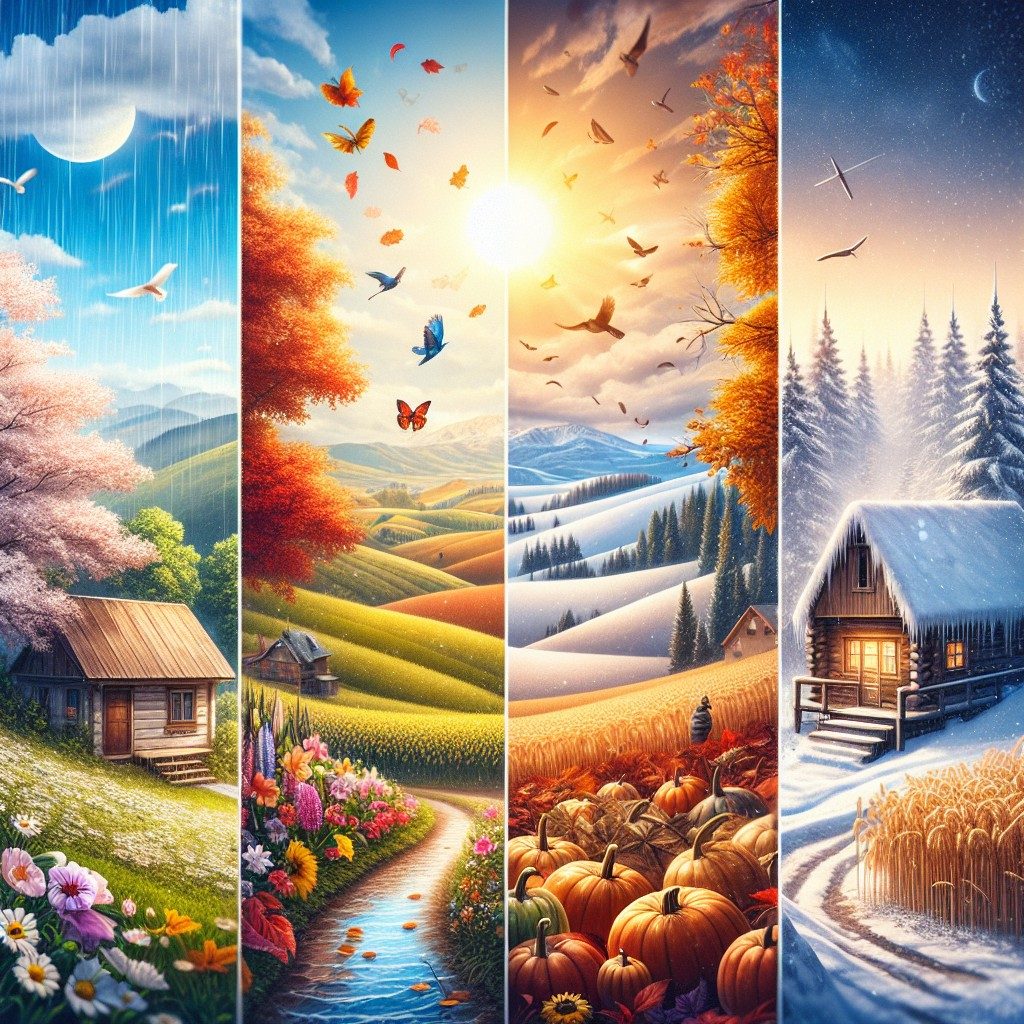
The climate timeline in Romania has undergone notable changes over the past decades, influencing the way seasons are experienced throughout the country. These shifts have altered temperature patterns, precipitation, and weather extremes, leading to seasons that feel markedly different from historical norms. Understanding these changes is crucial for adapting to new environmental realities and preparing for the challenges that lie ahead.
Historical Overview of Romania’s Climate Timeline
Romania traditionally experiences four distinct seasons, with cold winters and warm summers shaped by continental and maritime influences. However, meteorological data over the last century reveal that temperatures are gradually rising, and seasonal distributions are shifting. Winters have become milder on average, while summers often exhibit higher temperatures and longer heatwaves. These trends correspond with observations across Eastern Europe and align with broader patterns of global climate change.
Recent Changes Affecting Seasonal Perceptions
The perception that seasons feel different in Romania is supported by concrete changes in weather patterns. Winters now tend to start later and end earlier, compressing the cold season. Snowfall is less consistent in some regions, affecting both agriculture and winter tourism. Conversely, spring and autumn seasons have shown increased variability, with sudden temperature fluctuations and irregular rainfall. These anomalies contribute to the impression that traditional seasonal rhythms are disrupted.
Causes Behind the Shifts in Romania’s Climate Timeline
The alterations in Romania’s climate timeline are largely attributed to global warming, driven by increased greenhouse gas emissions. Local factors, such as deforestation, urbanization, and changes in land use, also impact microclimates and weather patterns. The interplay of these global and regional influences has resulted in observable shifts in the timing and intensity of seasonal phenomena, consistent with scientific findings from international agencies such as the climate timeline Romania and global climate reports.
Impacts on Agriculture and Ecosystems
The changing climate timeline in Romania poses significant challenges to agriculture, which relies heavily on predictable seasonal cycles. Crop growing seasons have adjusted, sometimes reducing yields due to heat stress or inadequate rainfall. Pest and disease patterns have also shifted, complicating management strategies. Natural ecosystems experience altered blooming and migration periods, potentially disrupting biodiversity and ecological balance. These impacts underline the importance of monitoring climate trends closely.
Strategies for Adapting to the New Seasonal Realities
In response to the evolving climate timeline Romania faces, adaptation strategies are increasingly prioritized by policymakers and stakeholders. Enhancing weather forecasting and early warning systems helps communities prepare for extreme events. Agricultural practices are being diversified with climate-resilient crop varieties and improved water management techniques. Urban planning incorporates green infrastructure to mitigate heat effects. Public information campaigns aim to raise awareness about these climate developments and promote sustainable actions.
Conclusion
Romania’s climate timeline reflects broader global shifts with tangible local effects on seasons and weather patterns. As the country experiences milder winters, hotter summers, and more unpredictable transitional seasons, the need for informed adaptation becomes more urgent. Continued scientific monitoring and proactive measures will be essential for minimizing risks and safeguarding both the environment and socio-economic sectors in the years ahead. Understanding the climate timeline Romania provides a foundation for these efforts and highlights the importance of integrating global data with local realities.
Frequently Asked Questions about climate timeline Romania
What does the climate timeline Romania indicate about recent seasonal changes?
The climate timeline Romania shows that temperatures have generally increased, winters have become milder, and the timing of seasons has shifted, resulting in seasons that feel different compared to previous decades.
How does the changing climate timeline Romania affect agriculture?
Changes in the climate timeline Romania affect crop growing seasons, pest management, and water availability, which can lead to reduced agricultural productivity and require adjustments in farming practices.
Are shifts in Romania’s climate timeline consistent with global trends?
Yes, the shifts observed in Romania’s climate timeline align with global patterns of warming and seasonal variability reported by international climate research organizations.
What measures are being taken to address the impacts of the climate timeline Romania?
Measures include improving weather prediction, adopting climate-resilient agricultural methods, enhancing water management, and promoting public awareness to better cope with the evolving climate timeline Romania.
Why do seasons feel different in Romania now according to the climate timeline Romania?
Seasons feel different due to shifts in temperature patterns, altered precipitation, and changes in the length and intensity of seasons, all documented by the climate timeline Romania as a result of climatic changes over time.