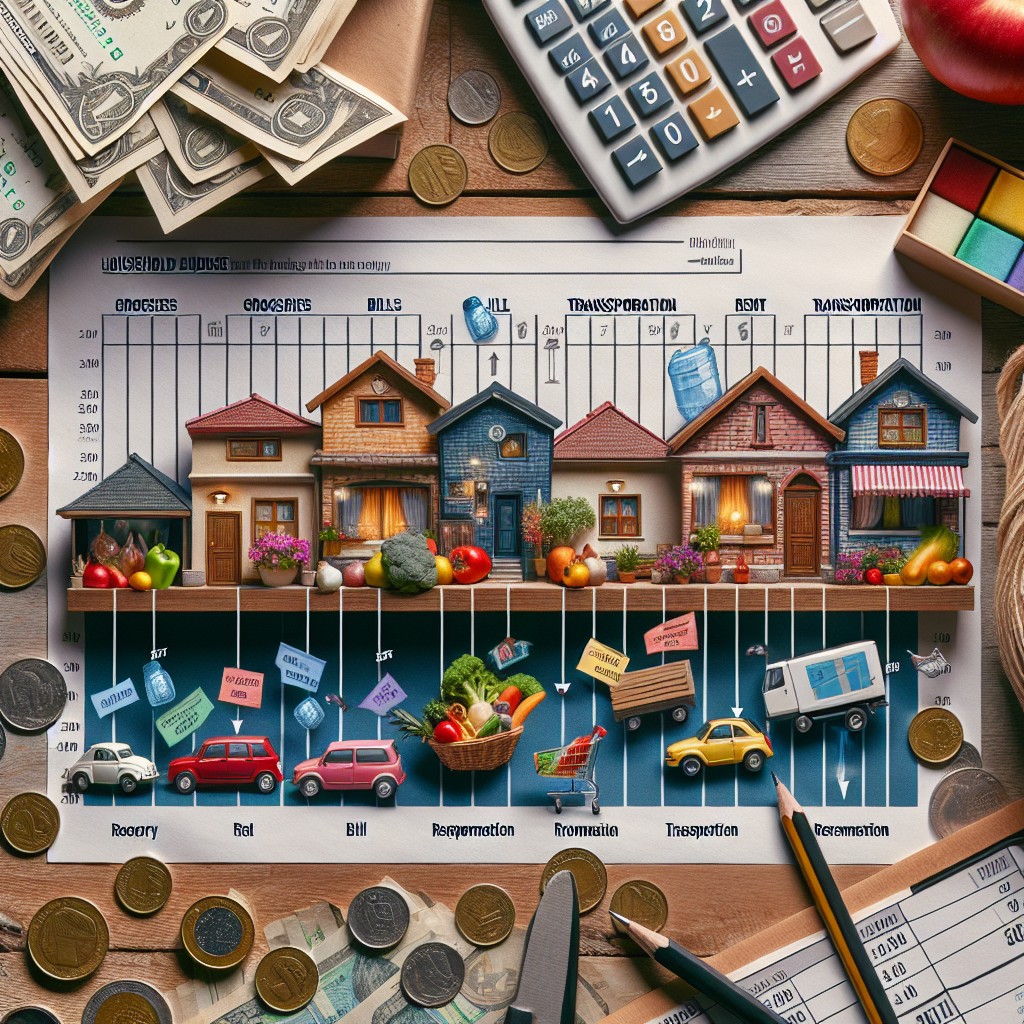
In recent years, Romanian households have faced increasing challenges in managing their expenses amid fluctuating prices. The unpredictability of inflation and shifts in market trends have made household budgeting Romania an essential skill for maintaining financial stability. This article explores a streamlined monthly budgeting timeline tailored to the Romanian context, helping families navigate these economic swings.
Understanding the Current Economic Climate in Romania
Romania’s economy has exhibited volatility due to several factors including international supply chain disruptions, energy price fluctuations, and changes in consumer demand. These elements directly affect the prices of everyday goods and services, making consistent household budgeting crucial. Romanian families now find themselves adapting to frequent price increases, particularly in essential sectors such as food, utilities, and transportation.
Setting Up a Monthly Household Budget in Romania
Effective budgeting starts with an accurate assessment of income and expenses. In Romania, households typically receive salary payments monthly, which simplifies the budgeting cycle. Tracking fixed expenses, such as rent or utilities, along with variable ones like groceries and transportation, helps create a clear financial picture. This practice lays the groundwork for a budgeting plan that can withstand price swings.
Week 1 and 2: Allocating Funds and Prioritizing Essential Spending
Early in the month, Romanian households should allocate funds to cover fixed costs and essentials. This includes rent, electricity, heating, and basic foods, which often constitute the largest share of monthly expenses. Prioritizing these payments ensures stability despite price fluctuations. Additionally, setting aside a contingency fund for unexpected expenses can safeguard against sudden price increases.
Week 3: Monitoring and Adjusting for Variable Costs
As the month progresses, expenses related to discretionary spending such as dining out, entertainment, and non-essential shopping tend to occur. For households in Romania, monitoring these variable costs is vital, particularly when prices swing. Adjusting spending habits during this period helps maintain budget balance while avoiding unnecessary debt.
Week 4: Reviewing and Planning for the Next Month
The final week of the month should be dedicated to reviewing actual expenditures against the budget plan. Romanian families benefit from this reflection by identifying areas where spending exceeded or fell below expectations. Using this insight to adjust the upcoming month’s budget allows for better preparation against price volatility. This step embeds flexibility into household budgeting Romania strategies, enhancing resilience.
The Role of Digital Tools and Banking Services
In an increasingly digital Romania, many households are turning to budgeting apps and online banking tools to manage their finances more effectively. These technologies provide real-time tracking and expense categorization that support timely adjustments of household budgets. Integrating such tools into daily financial routines contributes to a dynamic and responsive household budgeting Romania approach.
Conclusion
With price instability expected to continue impacting Romanian markets, adopting a clear, monthly household budgeting timeline is more important than ever. A methodical approach that includes early allocation for essentials, ongoing monitoring of variable expenses, and end-of-month reviews can help Romanian families maintain financial control amid economic swings. Embracing digital resources further enhances the ability to adapt, positioning households to respond efficiently to future price changes. Ultimately, developing robust household budgeting Romania practices is a practical response to the current economic realities.
Frequently Asked Questions about household budgeting Romania
What is the best monthly structure for household budgeting Romania?
The best monthly structure involves dividing the month into phases: early payment of fixed expenses, monitored spending on variable costs in mid-month, and a review at the end to adjust for the next period. This timeline helps handle price swings effectively.
How often should Romanian households revisit their budget?
Household budgeting Romania should be reviewed at least monthly. Regular revisits ensure households can adapt to any unexpected price changes and maintain financial balance.
Are digital tools effective for household budgeting Romania?
Yes, digital tools and mobile banking applications provide real-time updates and expense tracking, making them effective aids for household budgeting Romania amidst fluctuating prices.
What categories are most sensitive to price swings in Romania?
Food, utilities, and transportation are the most sensitive categories in household budgeting Romania, requiring careful monitoring and adjustment in response to price changes.
Where can Romanian households find credible information on economic forecasts?
Romanian households can access reliable economic forecasts through institutions like the International Monetary Fund and the European Central Bank, which provide valuable insights to support household budgeting Romania strategies, for example household budgeting Romania resources.